Today was rather uneventful. Professor Kolodka’s morning lecture was about crystalline structures in metals. He explained that nature is fundamentally lazy and that nature wants to be at the lowest energy level as possible, so atoms in metals try to bond as closely as possible to reduce the bond energy between them. The three crystalline structures that he talked about were the simple cubic (SC) structure, body-centered cubic (BCC) structure, and face-centered cubic (FCC) structure. The SC structure is the least dense of the three and has one-eighth of an atom in each corner of its unit cell (eight parts, one atom total). The BC structure is the second most dense structure of the three and consists of eight one-eighth atom pieces in the vertices and one whole atom in the center of the unit cell (two atoms total). The FCC structure is the densest of the three crystalline structures and contains one half-atom on each face and one-eighth of an atom in each vertex (4 atoms total).
Something new I learned that really stood out to me was the concept of the electron sea, which is the sharing of outer electrons among all atoms in a metal. This concept allows metals to be a good conductor because any energy introduced into the system causes the electrons to begin bumping into each other, thus allowing the electrons to carry the energy to every part of the material. This concept explains why metals feel colder than other materials like plastic or wood when you touch them even though the materials might be the same temperature: the electron sea distributes the heat from your hand across the entirety of the metal very quickly, so the metal feels colder than its surroundings.
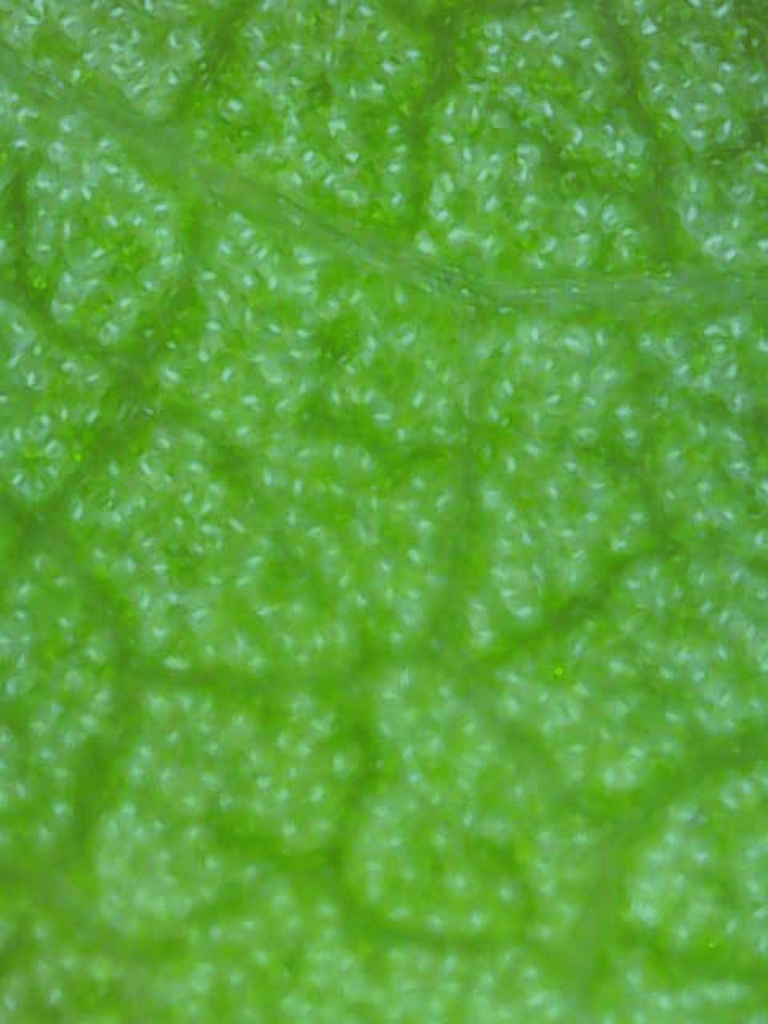
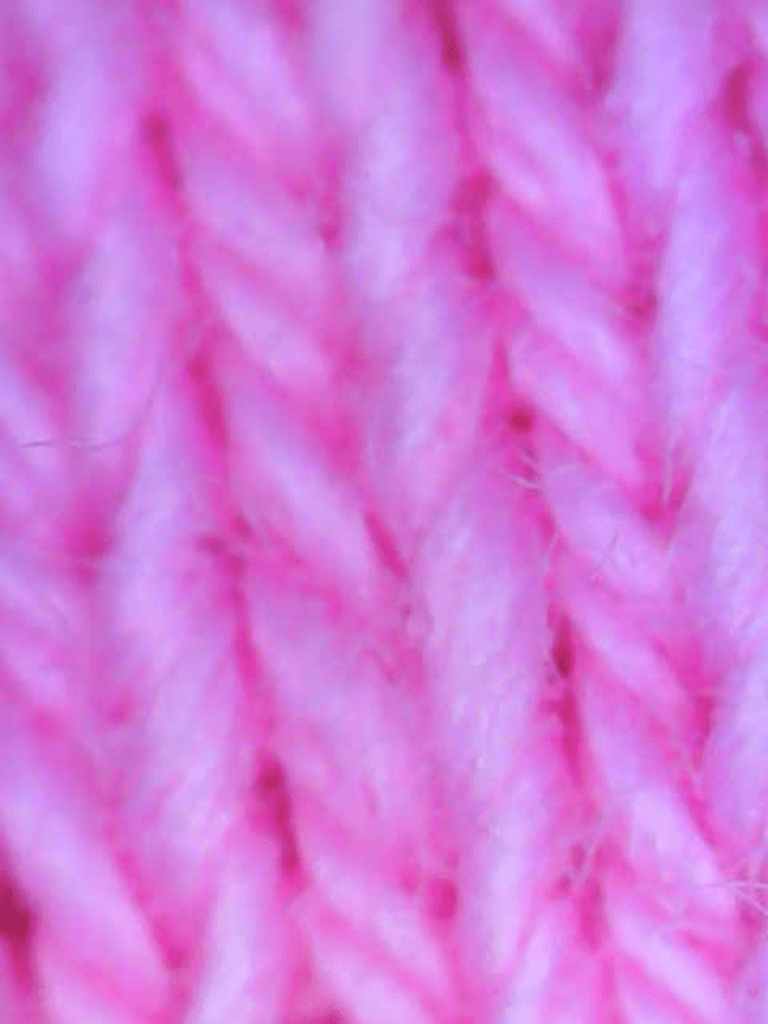
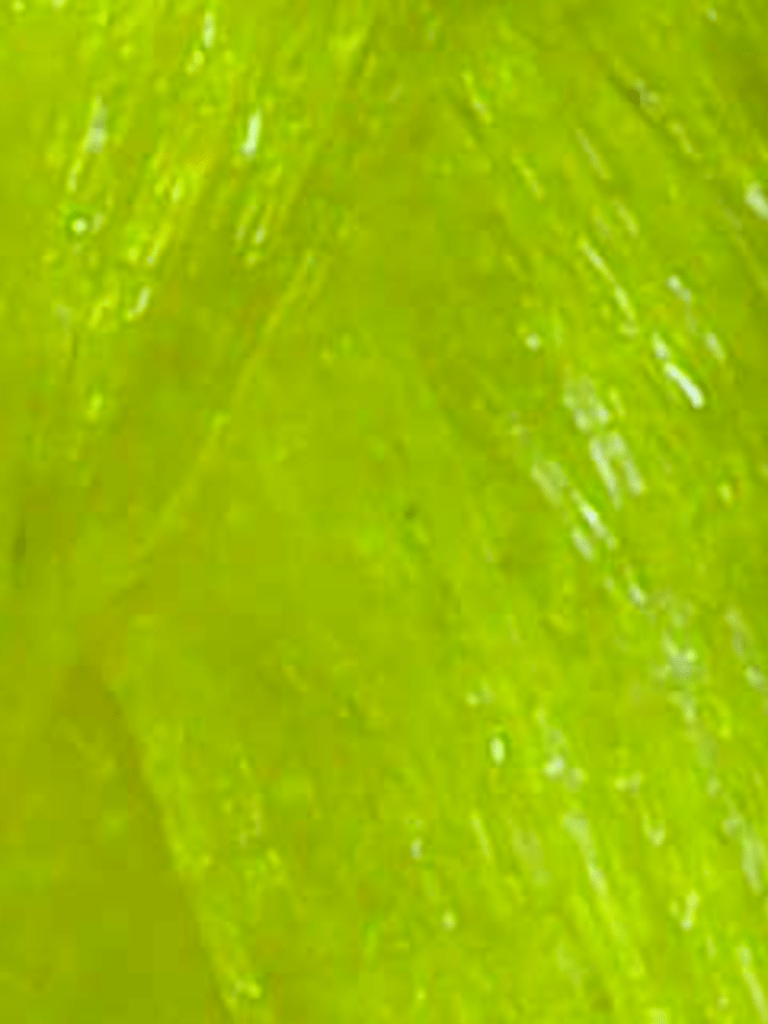
In the afternoon, COSMOS planned a guest speaker event from 2:00 to 3:30, so before it began, Professor Kolodka allowed us to mess around with the super-macro cameras again. Here are some more pictures that I took with them
The guest speaker was Ajay Gopinathan, a professor from UC Merced doing research on cell flocking, which is the coordinated, self-organized movement of a group of cells. Honestly, I wasn’t that interested in this topic, so I don’t really remember much from his talk, but I understood that both immune and cancer cells use cell flocking to their advantage—immune cells to more quickly reach pathogens and kill them, and cancer cells to make travel/spread throughout the body easier. However, I wonder why more cells in the body aren’t observed to behave in this way if it’s so advantageous?


Leave a Reply